
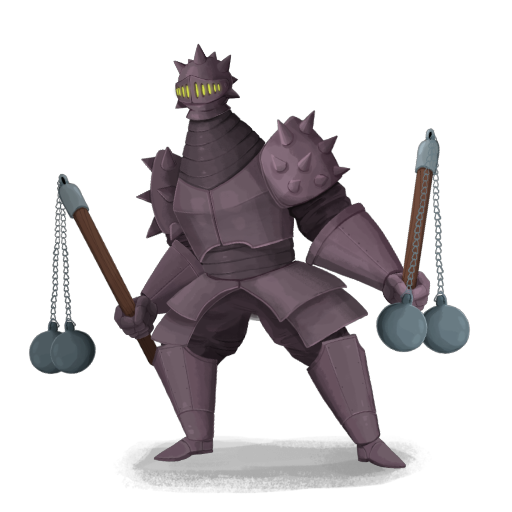
The Lantern Key is a promise with a bill attached. You can return it to the Mysterious Knight for gold, or fight the knight, keep the key, and hope to reach its lock in Glory. If you make it, War Historian Repy presents another choice between a tome and a chest.
Think of this as two separate decisions. The first asks whether you can afford a fight. The second asks when and how you want to be paid.
Stage one: return the key or fight
Mega Crit's April statistics showed a close split. Fifty-six percent of players returned the key and received gold. Forty-four percent fought the Mysterious Knight to keep it.
Returning is the clean option. Gold is immediate, the fight disappears, and your current HP and potions remain available for the planned route. That can be correct even when the later reward is stronger in a vacuum. A reward you never reach has no value.
Fighting buys access to the rest of the chain. The Mysterious Knight database page lists its current HP and known moves, so check the live numbers there before committing. More important, compare its pattern with your deck:
- Can you handle repeated attacks without draining every potion?
- Does the deck set up quickly enough to avoid a long HP trade?
- Is there an elite, forced fight, or boss soon afterward?
- Would returning the key fund a shop purchase that solves a larger problem?
Do this check with the hand quality you usually draw. The best opening hand is a poor basis for accepting an optional battle.
The key has no combat job
Lantern Key is an Unplayable Quest card that unlocks a special event in the next act. Carrying it does not make the current deck stronger. Until you reach Repy, you have paid the combat cost and are waiting for the return.
That delay changes route planning. Protect enough HP to reach Glory, but do not warp every floor around the quest. Shops, upgrades, and necessary elites still decide whether the deck survives.
If fighting the knight forces a rest where you needed an upgrade, include that lost upgrade in the price. Potion use belongs in the same calculation. Optional combat often costs more than the damage shown on its final turn.
Stage two: free Repy or take the chest
Among players who reached War Historian Repy with the key, Mega Crit reported that 88 percent freed him for a valuable tome. Twelve percent left him and took the chest full of random relics and potions.
The exact contents shown in your run matter more than the popularity numbers. The official recap does not publish a full tome pool, exact chest count, or every possible outcome, so compare the choices visible on screen.
Free Repy when the tome strengthens a job the deck will use through the remaining fights. A strong delayed or build-defining effect can be worth more than several disconnected rewards, especially if your potion belt is already full.
Take the chest when immediate breadth is valuable. Relics require no draw, and potions can solve the next elite or boss right away. Check open potion slots before counting the full value. A potion you cannot carry is much less impressive.
A two-stage rule you can reuse
At the Lantern Key, price the fight in HP, potions, and lost route flexibility. Compare that cost with guaranteed gold now and uncertain access to a later event. If the deck passes comfortably, keeping the key is a reasonable investment. If it barely passes, take the gold and preserve the run.
At Repy, the risk has already been paid. Compare the tome's fit with the chest's immediate coverage. The potion planning guide is archived for an older patch, but its central habit remains useful: give each potion a specific upcoming fight.
The chain rewards ambition, though it does not demand it. Returning the key is a strategic exit, not a failed event.